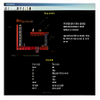
Classic 2D puzzle-platformer mixing precise digging mechanics, strategic gold collecting, and challenging handcrafted levels
Classic 2D puzzle-platformer mixing precise digging mechanics, strategic gold collecting, and challenging handcrafted levels
Pros
- Smart blend of puzzle-solving and platform action
- 150 progressively challenging levels
- Intuitive controls that support precise play
- Simple yet effective graphics and sound with a timeless feel
- Built-in level editor for creating and sharing custom stages
- Bug fixes improve stability compared with earlier versions
Cons
- Gameplay relies heavily on just digging and collecting, which may feel repetitive
- Steep difficulty curve can be frustrating for newcomers
- Limited variety in mechanics compared with modern platformers
Lode Runner is a 2D puzzle-platform arcade game from 1983 that blends precise platforming with clever problem-solving. You control a small stick-figure hero who must grab every piece of gold in each stage while staying one step ahead of tireless enemies.
It best suits players who enjoy classic, tightly designed challenges that require careful planning, fast reactions, and patience with a steep learning curve.
Classic structure with a smart twist
At its heart, Lode Runner combines straightforward controls with intricate level layouts. You move through a world built from brick platforms, ladders, and hand-to-hand bars, all viewed from the side in a traditional 2D format. The goal in every stage is clear: collect all the gold and avoid the guards.
What makes it stand out is the digging mechanic, inspired by early arcade titles like Space Panic. You can dig holes in bricks to trap pursuing enemies, then use those precious seconds to slip past them or reach otherwise risky pieces of gold. This single idea shapes nearly every decision you make, turning simple movement into a constant tactical puzzle.
Layered challenge across 150 levels
Lode Runner offers 150 levels that grow more demanding as you progress. Early stages teach you the basics of digging and climbing, but later layouts twist those rules into increasingly complex mazes. You are pushed to:
- Study the level and plan your route before rushing in
- Time your digs so guards fall exactly where you want them
- Use ladders and bars to manipulate enemy movement
Each level asks for careful planning and precise timing. A mistimed dig or poorly chosen jump can force you to restart, which builds real tension as you approach the final pieces of gold. The mix of puzzle logic and quick reactions keeps you thinking several moves ahead while still reacting in the moment.
Controls and atmosphere that still hold up
The controls are described as intuitive, letting you focus on strategy rather than wrestling with inputs. Running, climbing, and digging feel direct and predictable, which is vital for a game that punishes small mistakes.
Visually and sonically, Lode Runner sticks to simple but effective graphics and sound. The clean, readable style makes it easy to read the level at a glance, while the audio reinforces its brisk arcade feel. Together they create a timeless atmosphere that fits the methodical yet tense gameplay and has helped the game remain appealing over many years.
Level editor for endless experiments
One of Lode Runner’s standout features is its level editor. Beyond the built-in campaign, you can design your own stages using the same pieces found in the main game. This opens the door to:
- Building custom puzzles tailored to your favorite tricks
- Crafting brutal challenge levels for expert players
- Sharing stages with friends who know the game inside out
Because the core mechanics are so tightly defined, even small changes in layout can produce very different types of puzzles, which keeps the concept fresh long after you finish the original set of levels.
Steep difficulty and focused mechanics
Lode Runner’s strengths can also be its drawbacks. The entire experience revolves around digging and collecting. If you prefer games that constantly introduce new abilities, minigames, or story elements, this focused design may feel repetitive.
The difficulty curve is described as steep. Later stages in particular demand a high level of precision and can be unforgiving for anyone not used to classic puzzle-platformers. That challenge is a big part of the appeal for dedicated players, but others may find the repeated failures frustrating rather than motivating.
Who will appreciate Lode Runner today
For those who enjoy old-school arcade design, Lode Runner remains a compelling mix of strategy, timing, and platforming. Its long list of handcrafted levels, combined with the creative possibilities of the editor, offers a lot of depth built from a small set of rules.
This Windows release also benefits from bug fixes, helping preserve the experience for modern play while keeping its original character intact. If you like carefully constructed puzzles that punish sloppy play but reward mastery, Lode Runner still has plenty to offer.
Pros
- Smart blend of puzzle-solving and platform action
- 150 progressively challenging levels
- Intuitive controls that support precise play
- Simple yet effective graphics and sound with a timeless feel
- Built-in level editor for creating and sharing custom stages
- Bug fixes improve stability compared with earlier versions
Cons
- Gameplay relies heavily on just digging and collecting, which may feel repetitive
- Steep difficulty curve can be frustrating for newcomers
- Limited variety in mechanics compared with modern platformers